Magoo

Effects of Gambling on Happiness

Effects of Gambling on Happiness

Introduction

Playing gambling games can have a positive or negative impact on happiness, depending on the person. Gambling can provide short-term relief from boredom or stress, but it can also lead to long-term problems such as addiction and financial ruin. There is no one answer to whether gambling makes people happy or not, as the effects vary depending on a person’s circumstances and preferences. Gambling can also disrupt social relationships and lead to financial problems. There is evidence that gambling can even decrease happiness levels. Gambling also seems to increase feelings of excitement and contentment.

The Positive Effects of Gambling

It is believed that gambling is capable of making a positive impact on people’s lives. There are some people for whom gambling can be an exciting and fun way to spend their free time. Most people think of gambling as a negative experience, but there are some positive effects of gambling that can impact a person’s happiness. Gambling can provide excitement and a sense of fun, which can lead to a happier life.

The Negative Effects of Gambling

When it comes to gambling, the potential risks and rewards are both high. For some people, the allure of gambling can be hard to resist, and they may find themselves quickly becoming addicted. Gambling can be very addictive, and it is capable to take over a person’s mental health quickly which affects his/her life. Gambling addicts often lose touch with reality and become obsessed with winning money. They will often gamble away all their money, as well as the money they owe to others. Gambling addicts often neglect their loved ones to gamble more.

How to Balance the Effects of Gambling on Happiness

Gambling can be a fun and exciting way to spend time, but it’s important to balance the effects of gambling on happiness. Too much gambling can lead to negative consequences such as financial problems, stress, and anxiety. However, gambling in moderation can provide benefits such as excitement, social interaction, and financial gain. To balance the effects of gambling on happiness, a person should set strict limits on how much time and money is spent gambling. Gambling should also not be used as a means to escape from problems or other negative emotions. By following these tips, you can enjoy the benefits of gambling without letting it negatively affect your happiness.

Conclusion

In conclusion, the effects of gambling on happiness are both positive and negative. Gambling can lead to feelings of excitement, pleasure, and happiness, but it can also lead to feelings of guilt, anxiety, and sadness. It is important to weigh the pros and cons of gambling before deciding whether or not to gamble. If you do decide to gamble, be sure to set limits on how much you are willing to lose and never gamble more than you can afford to lose.

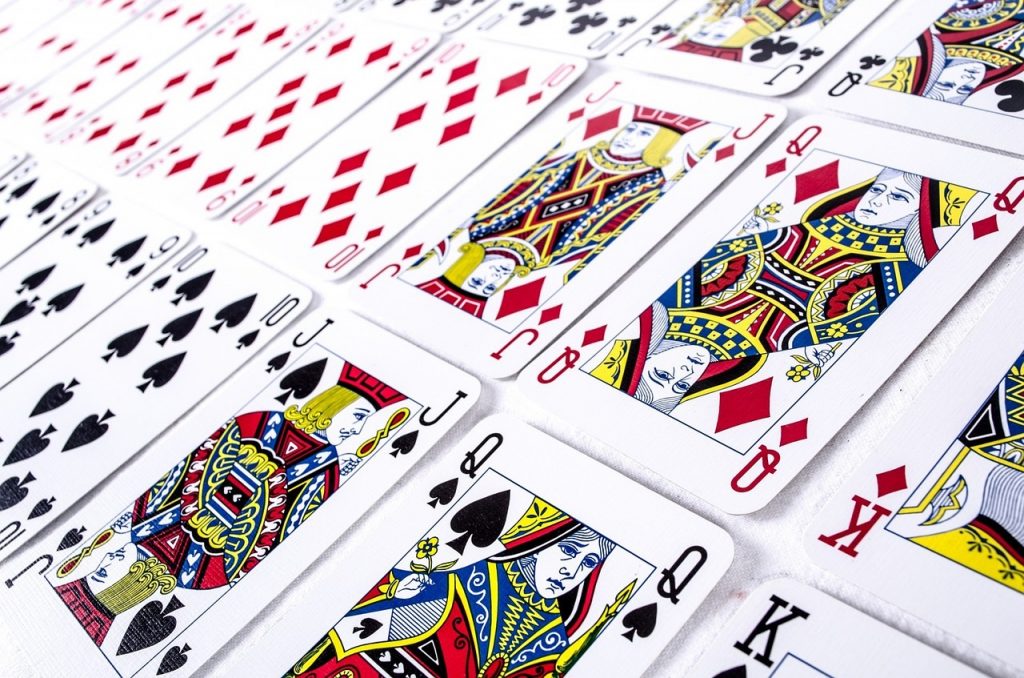
Photo: Pixabay (free)

The Psychology of Lottery Gambling

The Psychology of Lottery Gambling

Introduction

People often play the lottery in hopes of striking it rich. But what are the psychological reasons why people keep gambling, even when they don’t seem to be winning? Researchers have found that some people are drawn to the lottery because it gives them a sense of control and mastery over their life. They also enjoy feeling like they’re in the know about a secret, and this mystery factor can add excitement to their gambling experience.

In most cases, people gamble for entertainment. However, some people may also gamble as a form of addiction.

There is little research that has been conducted to understand why people gamble and what factors influence their behavior. Some experts believe that people gamble for thrills, hoping to hit the big jackpot. Others say that people gamble because it makes them feel like they do not have any option other than gambling and that type of excitement of the game is addicting.

The excitement of anticipation

When the lottery numbers are drawn, there is a sense of excitement and anticipation in the air. The possibility of winning millions of dollars is a tantalizing prospect that has people all over the country buying tickets. Even if they don’t win, many people enjoy the thrill of gambling on the lottery.

The odds of winning are not great, but that doesn’t stop people from hoping for a big win. For some, the excitement of anticipation is enough to make them happy, regardless of whether they win anything or not. Gambling on the lottery can be fun and exciting, especially when there is a large jackpot up for grabs.

The feeling of luck and fate

Luck and fate are two feelings that people often associate with lottery gambling. Many people believe that luck is what determines whether they will win or lose, while others feel that fate has a hand in the game. Neither of these feelings is necessarily based in fact, but they can still be powerful motivators for gamblers.

Some people believe that luck is everything in gambling. They think that if they are lucky, they will win every time, and if they are unlucky, they will always lose. This is not usually the case, but some people find comfort in believing in luck. They think that it’s out of their control and that there’s no point in worrying about it. Instead, they focus on making good decisions and hope for the best.

The need to believe in something bigger than oneself

When people gamble, they often do so in the hopes of winning big. For some, this means risking a lot of money in the hopes of hitting it big. For others, it means betting on smaller games with the hope of winning more consistently. Regardless of the size of the gamble, many people see gambling as a way to achieve something bigger than themselves.

Some might say that this need to believe in something bigger than oneself is what drives people to gamble in the first place. Gambling can be seen as a way to escape from reality for a little while and believe that anything is possible. This may be why lotteries are so popular – they offer the promise of a life-changing win that could make all of your dreams come true.

Conclusion

In conclusion, the psychology of lottery gambling is a complex topic. Many factors contribute to why people gamble, and why they continue to gamble even when they are losing money. Some people gamble because they are trying to win big, while others gamble because they enjoy the thrill of the game.

Photo: Paxbay (free)

High-Risk Gambles Prevention in Banking

High-Risk Gambles Prevention in Banking

Introduction

In the banking sector, a high-risk gamble could potentially lead to serious financial losses. There are several ways to do this, including by exercising due diligence when making investments and by ensuring that risk management procedures are in place. When it comes to high-risk gambles, the consequences can be disastrous for banks. By exercising due diligence when making investments and by having strong risk management procedures in place, banks can help minimize the chances of taking on too much risk.

Causes of high-risk gambles

There are a variety of reasons why banks might make risky decisions when it comes to gambling with their money. They may be trying to recoup losses from other bad investments, or they may be seeking an extremely high return on their investment that is not realistically achievable. In some cases, banks may make risky decisions because they are being pressured by their clients or superiors to do so. Whatever the reason, it is important to understand the causes of high-risk gambles to prevent them from happening in the future.

Many Causes are there for high-risk gambles in the banking sector. One possibility is that banks may feel pressure to make high-risk gambles to achieve higher profits and appease shareholders. Additionally, banks may be taking on more risk due to deregulation in the financial sector or because of inadequate risk management practices. Finally, banks may be engaging in high-risk gambling behavior as a result of market conditions and expectations.

Prevention techniques

Prevention techniques are important for banks to avoid making high-risk gambles with their customers’ money. One way to prevent these risky decisions is by using software that analyzes data and looks for trends. This will help banks make informed decisions about where to invest their money. Another prevention technique is to have multiple people approve any investment decision. This will help ensure that no one individual can make a risky decision that could harm the bank. Finally, banks should always have a plan in place for how they will respond if they do experience a financial loss. This will help them minimize the damage and keep their customers safe.

The impact of high-risk gambles

Many believe that risk-taking is a key ingredient to success. However, when it comes to high-risk gambles, the consequences can be disastrous. For one, high-risk gambles can lead to financial ruin. In addition, they can also impact one’s mental health negatively.

All in all, it is important to weigh the risks and rewards of any high-risk gamble before taking the plunge. If the potential consequences are too great, it might be best to walk away.

Conclusion

In conclusion, banks need to take measures to prevent high-risk gambles, as they can harm the bank’s finances. By implementing policies and procedures to identify and prevent these risks, the bank can protect itself from potential financial losses.

Photo: Pixabay (free)

The Problem of Gambling in the Modern Society as the Type of Addiction

The Problem of Gambling in the Modern Society as the Type of Addiction

Introduction

Problem gambling is a type of addiction that is seen in modern society. It is a problem that has many issues with it and it can be very harmful to the individual. Gambling addiction can cause financial problems, relationship problems, and health problems. It can also lead to criminal activity.

Gambling addiction is a problem that is often overlooked in modern society. Many people view gambling as a harmless pastime, but for some people, it can be an extremely addictive and destructive behavior. Unfortunately, there are often a lot of stigmas attached to gambling addiction, which can make it difficult for people to seek help. There is no shame in admitting that you need help, and there are many excellent treatment options available.

Causes

People gamble for many reasons including the hope of winning money, the desire to escape from problems or boredom, and the thrill of gambling. Factors that may increase the risk of developing a gambling addiction include a family history of addiction, early exposure to gambling, stress, depression, and anxiety. There are several types of gambling addiction, each with its own set of problems. Pathological or compulsive gambling is the most severe type of gambling addiction and involves a loss of control over betting habits. People with this type of addiction often gamble until they run out of money or lose everything they own. Gambling can also lead to financial problems, job loss, and family conflict.

Symptoms

Gambling addiction can be life-threatening for gamblers and their loved ones. Some of the symptoms of gambling addiction include cravings for gambling, lying to cover up gambling activities, chasing losses, and feeling desperate to win money.

Treatment

Gambling addiction is a type of addiction that is treatable with a combination of therapy and medication. The most common form of treatment is cognitive-behavioral therapy, which helps people learn how to resist gambling impulses. Treatment typically lasts for several months, and it is important to continue receiving treatment after completing formal treatment to prevent relapse.

Medication can help to reduce the symptoms of gambling addiction, while therapy can help to address the underlying causes of the addiction. Many people who are addicted to gambling find that they can overcome their addiction with a combination of medication and therapy.

Conclusion

In conclusion, gambling can be seen as a type of addiction that has serious consequences for the individual and society as a whole. It can ruin families, lead to financial ruin, and even result in criminal activity. There is a need for greater public education about the dangers of gambling, and more effective prevention and treatment programs.

Photo: Pixabay (free)

Behavioral Accounts and Treatments of Problem Gambling

Behavioral Accounts and Treatments of Problem Gambling

Introduction

Problem gambling is a major public health concern, with an estimated 2-3% of the population exhibiting problems with gambling behavior. While there are many different ways to approach the treatment of problem gambling, behavioral accounts are one of the most effective methods. Behavioral accounts focus on understanding the thoughts and emotions that lead to problem gambling behaviors and then teaching strategies to manage these thoughts and emotions. This approach is helpful in not only reducing gambling behaviors but also in helping people manage other addictive behaviors.

Behavioral accounts of problem gambling

Excessive gambling, which is characterized by addiction, is an impulse-control disorder characterized by persistent and recurrent maladaptive behavior. This can include gambling despite negative consequences or using gambling to escape or relieve stress. Problem gambling, on the other hand, refers to less severe levels of gambling behavior that may still cause problems in one’s life, such as financial difficulties, relationship problems, or job loss.

There are several different behavioral accounts for why people develop pathological or problem gambling. One theory is that individuals may be more likely to develop a problem with gambling if they have a personality disposition that is characterized by impulsivity and sensation seeking. Other researchers have suggested that people may start gambling because it provides an adrenaline rush or because it allows them to escape from their problems. It is also thought that some people may gamble because they are trying to achieve the high they get from winning money.

Treatment approaches for problem gambling

One approach that is effective in treating problem gambling is cognitive-behavioral therapy (CBT). CBT helps people identify and modify problematic thoughts and behaviors that give rise to their gambling problems.

Another technique that has been shown to work effectively is motivational interviewing (MI). MI helps people to become motivated to change their behavior.

Gamblers Anonymous (GA) is known to be a beneficial treatment modality. GA is a 12-step program for people having the problems with gambling problems.

Each of these approaches can help treat problem gambling, but it is important to find the approach that works best for you.

Conclusion

In conclusion, problem gambling is a serious issue that can have negative consequences for both the gambler and their loved ones. Behavioral accounts and treatments are the most effective way to address this problem. This addiction may be serious, so delaying treatment will only make matters worse. There are many different options for treatment, and it is important to find the right one for you or your loved one.

Photo: Pixabay (free)