Uncategorized

The Problem of Gambling in the Modern Society as the Type of Addiction

The Problem of Gambling in the Modern Society as the Type of Addiction

Introduction

Problem gambling is a type of addiction that is seen in modern society. It is a problem that has many issues with it and it can be very harmful to the individual. Gambling addiction can cause financial problems, relationship problems, and health problems. It can also lead to criminal activity.

Gambling addiction is a problem that is often overlooked in modern society. Many people view gambling as a harmless pastime, but for some people, it can be an extremely addictive and destructive behavior. Unfortunately, there are often a lot of stigmas attached to gambling addiction, which can make it difficult for people to seek help. There is no shame in admitting that you need help, and there are many excellent treatment options available.

Causes

People gamble for many reasons including the hope of winning money, the desire to escape from problems or boredom, and the thrill of gambling. Factors that may increase the risk of developing a gambling addiction include a family history of addiction, early exposure to gambling, stress, depression, and anxiety. There are several types of gambling addiction, each with its own set of problems. Pathological or compulsive gambling is the most severe type of gambling addiction and involves a loss of control over betting habits. People with this type of addiction often gamble until they run out of money or lose everything they own. Gambling can also lead to financial problems, job loss, and family conflict.

Symptoms

Gambling addiction can be life-threatening for gamblers and their loved ones. Some of the symptoms of gambling addiction include cravings for gambling, lying to cover up gambling activities, chasing losses, and feeling desperate to win money.

Treatment

Gambling addiction is a type of addiction that is treatable with a combination of therapy and medication. The most common form of treatment is cognitive-behavioral therapy, which helps people learn how to resist gambling impulses. Treatment typically lasts for several months, and it is important to continue receiving treatment after completing formal treatment to prevent relapse.

Medication can help to reduce the symptoms of gambling addiction, while therapy can help to address the underlying causes of the addiction. Many people who are addicted to gambling find that they can overcome their addiction with a combination of medication and therapy.

Conclusion

In conclusion, gambling can be seen as a type of addiction that has serious consequences for the individual and society as a whole. It can ruin families, lead to financial ruin, and even result in criminal activity. There is a need for greater public education about the dangers of gambling, and more effective prevention and treatment programs.

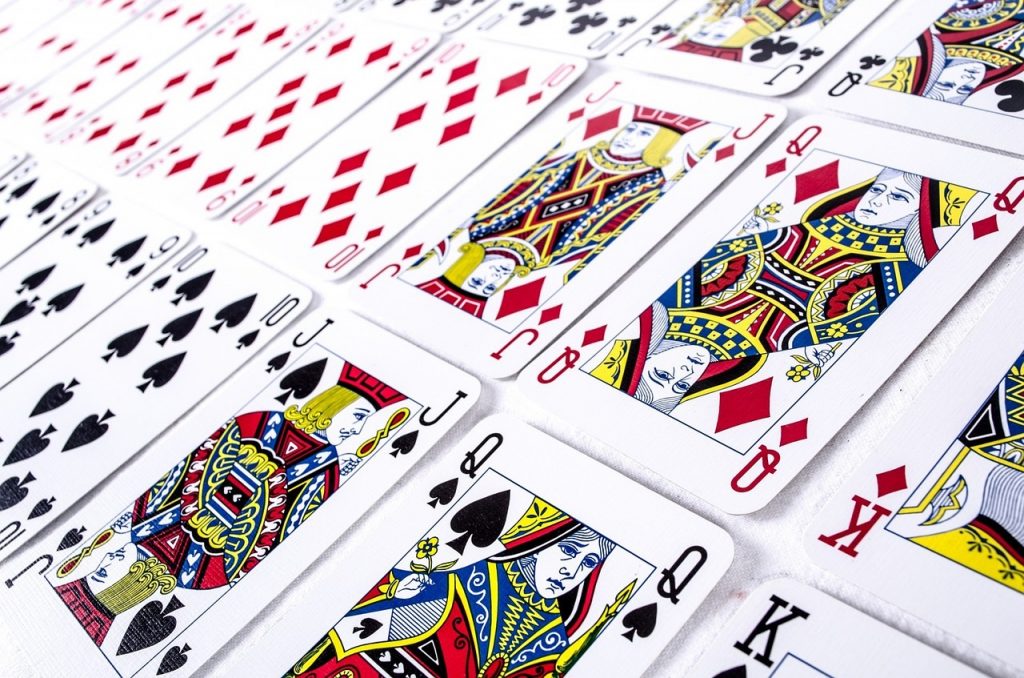
Photo: Pixabay (free)

Behavioral Accounts and Treatments of Problem Gambling

Behavioral Accounts and Treatments of Problem Gambling

Introduction

Problem gambling is a major public health concern, with an estimated 2-3% of the population exhibiting problems with gambling behavior. While there are many different ways to approach the treatment of problem gambling, behavioral accounts are one of the most effective methods. Behavioral accounts focus on understanding the thoughts and emotions that lead to problem gambling behaviors and then teaching strategies to manage these thoughts and emotions. This approach is helpful in not only reducing gambling behaviors but also in helping people manage other addictive behaviors.

Behavioral accounts of problem gambling

Excessive gambling, which is characterized by addiction, is an impulse-control disorder characterized by persistent and recurrent maladaptive behavior. This can include gambling despite negative consequences or using gambling to escape or relieve stress. Problem gambling, on the other hand, refers to less severe levels of gambling behavior that may still cause problems in one’s life, such as financial difficulties, relationship problems, or job loss.

There are several different behavioral accounts for why people develop pathological or problem gambling. One theory is that individuals may be more likely to develop a problem with gambling if they have a personality disposition that is characterized by impulsivity and sensation seeking. Other researchers have suggested that people may start gambling because it provides an adrenaline rush or because it allows them to escape from their problems. It is also thought that some people may gamble because they are trying to achieve the high they get from winning money.

Treatment approaches for problem gambling

One approach that is effective in treating problem gambling is cognitive-behavioral therapy (CBT). CBT helps people identify and modify problematic thoughts and behaviors that give rise to their gambling problems.

Another technique that has been shown to work effectively is motivational interviewing (MI). MI helps people to become motivated to change their behavior.

Gamblers Anonymous (GA) is known to be a beneficial treatment modality. GA is a 12-step program for people having the problems with gambling problems.

Each of these approaches can help treat problem gambling, but it is important to find the approach that works best for you.

Conclusion

In conclusion, problem gambling is a serious issue that can have negative consequences for both the gambler and their loved ones. Behavioral accounts and treatments are the most effective way to address this problem. This addiction may be serious, so delaying treatment will only make matters worse. There are many different options for treatment, and it is important to find the right one for you or your loved one.

Photo: Pixabay (free)

The trends in Casino Gambling Industry

The trends in Casino Gambling Industry

Introduction

The casino gambling industry is a multibillion-dollar industry that keeps developing. Casinos are expanding all over the globe, and people are flocking to them in unprecedented numbers. With new casinos opening every day, the industry shows no signs of slowing down. So what is driving this growth?

There are several factors at work here. First, casino gambling is incredibly popular. People are fond of the adrenaline rush of gambling their money and seeing if they can potentially win big. Second, casinos are constantly evolving and offering new and exciting games. And finally, casinos are increasingly accessible, with more and more states legalizing gambling. If you’re looking for a thrilling night out or a chance to make some serious money, then look no further than your local casino.

Casino Games

Casino games are continuing to grow in popularity, with new games being introduced regularly. This is in part due to how much fun and excitement they provide, as well as the potential to win big payouts. Some of the newer games that have been introduced in recent years include dragon tiger, baccarat squeeze, and Caribbean stud poker.

Online Casinos

Casino gambling has been around for centuries, but it’s only been in the past two decades that online casino gambling has taken off. The industry is growing at such a rapid pace that it’s estimated to be worth over $70 billion by 2022. With Online Casinos there’s no need to dress up and travel to a casino; simply log on to your favorite site and start playing, which also increases the popularity.

Another factor driving growth is the increasing availability of high-quality games. Online casinos are constantly updating their portfolios with new and innovative titles, ensuring that there’s something for everyone.

Mobile Gambling

As more people use their smartphones and tablets for gambling, in result the market for mobile gambling is increasing rapidly. In 2022, the market is expected to be worth $81.5 billion, up from $37.9 billion in 2017. This growth is driven by the popularity of casino games and sports betting.

In mobile gaming, casino games are the most popular and it shares a market share of around 43%. This is followed by sports betting (32%), lotteries (14%), and other types of gambling (11%). The US is the largest market for mobile gambling, accounting for 38% of global revenue. Japan is second, with a 20% share, and China is third, with a 17% share.

Social Casino Games

As social casino games become more popular, they are also becoming more sophisticated. By 2022, it is estimated that social casino games will account for nearly half of the global online gambling market. This is due in part to the increasing popularity of mobile devices, which allow players to engage in social casino games anywhere and at any time. Social casino games are also becoming more realistic, with features that allow players to interact with one another and customize their gaming experiences.

Conclusion

The casino gambling industry is growing rapidly and is expected to continue to do so in the future. In the United States, casino gambling revenue has grown from $27.5 billion in 2007 to $40.4 billion in 2017, and it is projected to reach $47.5 billion by 2022. This growth is due, in part, to the increasing popularity of casino gaming, as well as to new casinos being built in states that have previously been underserved by the industry. The growth of internet gambling has also helped fuel the expansion of the casino gambling industry.

Photo: Pixabay (free)

Impact of Gambling on the US Economy

Impact of Gambling on the US Economy

Introduction: Gambling in the United States & It’s impacted on US Economy

Gambling in the United States is a huge industry. It has a significant impact on the economy, and its growth affects how well the country does overall. The gambling industry employs around 1 million people and generates over $240 billion in revenue each year.

While gambling has many positive effects, it also has some negative impacts. One of the harmful effects is that it can lead to addiction. This can lead to monetary losses and ruin people’s lives. Gambling can also be harmful to society as a whole because it can promote crime and corruption.

Despite these drawbacks, gambling is still a major part of the US economy. It is responsible for creating jobs and generating tax revenue.

The history of gambling in the US and its economy

Gambling has been around for centuries and its impact on the economy has been significant. The first known gambling activity in the United States was lotteries. The popularity of lotteries increased in the mid-1800s when tickets were sold as a way to raise money for the Civil War effort.

After the war, lotteries continued to be popular, with some states using them to fund education and other state projects. However, by the late 1800s, there was growing opposition to lotteries, and many states banned them.

The economic impact of gambling on the US economy

Gambling has a long and varied history in the United States. It has been used to fund wars, build infrastructure, and support other economic development initiatives. Gambling also generates tax revenue and jobs for local economies. There is a significant impact of gambling on the US economy. In addition, gambling generated over $5 billion in tax revenue.

Gambling is a hugely profitable enterprise in the United States because the industry is widespread. There are approximately 1,000 casinos in 40 states. This widespread availability makes it easy for people to participate in gambling activities. Second, gambling is addictive and people tend to gamble more than they can afford to lose.

Gambling addiction

Gambling addiction is costing the United States economy billions of dollars each year, according to a new report. The study, conducted by the University of Nevada, Las Vegas, found that gambling addiction costs the US economy $5.5 billion annually. This figure includes costs associated with crime, healthcare, and lost productivity.

They recommend that more resources be allocated to treating gambling addiction and that efforts be made to educate the public about the dangers of gambling addiction.

Conclusion

In conclusion, there is a significant impact of gambling on the US economy. It generates billions of dollars in revenue and supports thousands of jobs. While gambling can have negative consequences, such as addiction and crime, it also has positive effects that should be considered. policymakers should carefully weigh the pros and cons of gambling before making any decisions about its future.

Photo: Pixabay (free)

Internet Gambling and Its Impact on the Youth

Internet Gambling and Its Impact on the Youth

Introduction

Internet gambling is becoming a popular way for people to gamble. This includes youth, who may not have access to traditional gambling venues. This can provide problems because the risk of developing a gambling addiction is higher at a young age. Additionally, there are concerns that internet gambling may be linked to other risky behaviors in youth.

What is Internet Gambling?

Internet gambling is a type of gambling that is done by using the internet medium via laptop, mobile, and computer. A study by the University of Oxford found that as many as 2.5% of adults in the United Kingdom had engaged in internet gambling in the past month. That’s about 650,000 people!

What are the risks associated with internet gambling? One significant risk is addiction. Someone addicted to internet gambling may lose a lot of money and may also experience problems in their personal and professional lives. Another risk is that young people may be more likely to gamble online than in person. This could lead to them developing problems with gambling at an early age.

How Does Internet Gambling Affect the Youth?

The internet has drastically changed the way people gamble. With just a few clicks of a mouse, individuals can place bets on sporting events, casino games, and lotteries from the comfort of their homes. While online gambling offers convenience and privacy, it also comes with a host of risks, including addiction and financial ruin. Perhaps most concerning is the effect online gambling has on youth.

According to one study, youths who gambled online were more than twice as likely to develop problem gambling behaviors as those who didn’t gamble online. There are several reasons why online gambling is particularly harmful to youth.

The Negative Impact of Internet Gambling on the Youth

There are many risks associated with internet gambling, and the negative impact it can have on the youth is a major concern. One of the dangers of online gambling is that it can be very addictive, and can quickly lead to problem gambling behavior. Young people are particularly vulnerable to developing an addiction to internet gambling, and this can hurt their lives in several ways. Gambling addiction can also lead to relationship problems and even criminal activity.

The Positive Impact of Internet Gambling on the Youth

The internet has made it possible for people from all over the world to gamble on games of chance and skill. While this has provided many adults with a fun and harmless way to pass the time, some have expressed concerns about its potential negative impact on youth. However, recent research indicates that the positive impact of internet gambling on the youth may outweigh any potential risks.

One study found that adolescents who gambled online were no more likely to develop problems with gambling than those who gambled offline. The study showed that online gamblers were more likely to report having higher incomes and better mental health outcomes than their offline counterparts. This suggests that, for most young people, gambling online is a relatively safe and harmless activity.

Another study found that young people who gambled online were more likely to engage in other responsible behaviors, such as studying and exercising regularly.

Conclusion

In conclusion, internet gambling is a major problem for the youth. There is a need for more research on the impact of internet gambling on the youth so that we can better understand and address this problem.

Photo: Pixabay (free)